
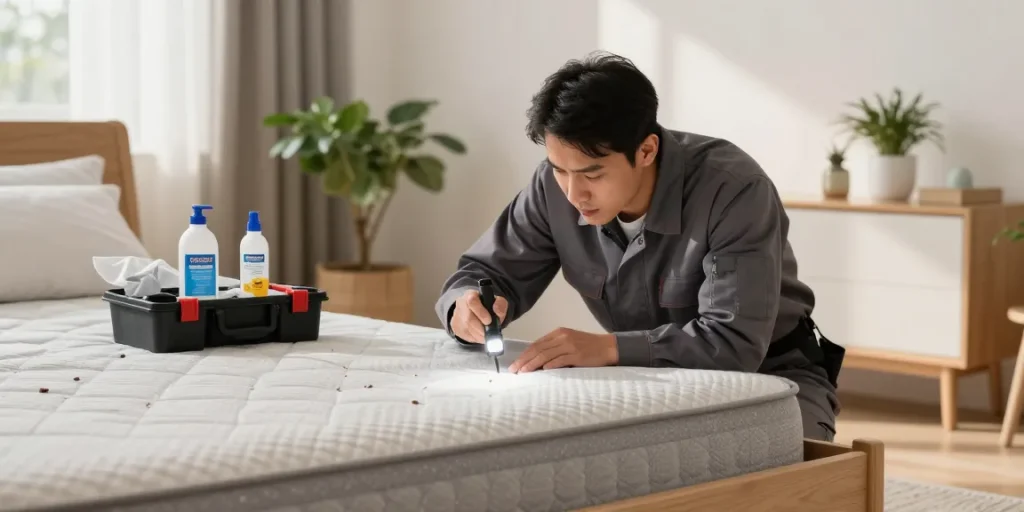
Understanding Bed Bug Infestations
Bed bugs are small, wingless insects that primarily feed on the blood of humans and animals. Often associated with poor sanitation, these pests can infest any home, regardless of cleanliness. They are notoriously difficult to eradicate, which is why understanding their behaviors and life cycle is crucial for prevention and treatment. As Milwaukee residents face the threat of bed bug infestations, an informed approach is essential when seeking assistance from a bed bug exterminator.
What Are Bed Bugs and How Do They Infest?
Bed bugs, known scientifically as Cimex lectularius, are small, reddish-brown insects that vary in size from 1 to 7 millimeters. They are primarily nocturnal and are drawn to warmth and carbon dioxide emitted by sleeping humans. These pests often enter homes through luggage, clothing, and secondhand furniture, making them adept hitchhikers. Once they have infiltrated a space, they reproduce rapidly. A single female can lay hundreds of eggs in her lifetime, leading to swift infestations if not addressed promptly.
Signs of a Bed Bug Infestation
Recognizing a bed bug infestation early can significantly impact the success of extermination efforts. Common signs include:
- Itchy Bites: Red, itchy welts on the skin, often in rows or clusters.
- Blood Stains: Small bloodstains on sheets or mattresses from crushed insects.
- Dark Spots: Dark brown or black spots on bedding, indicating fecal matter.
- Eggs and Shells: Tiny, pearly-white eggs and exoskeletons shed during growth.
Common Myths About Bed Bugs
Debunking myths surrounding bed bugs can help mitigate the stigma and fear associated with these pests:
- Myth 1: Bed bugs are a sign of poor hygiene. Fact: They infest clean and dirty environments alike.
- Myth 2: Bed bugs only live in mattresses. Fact: They can hide in various locations, including furniture and wall cracks.
- Myth 3: DIY treatments are sufficient. Fact: Professional treatments are often necessary for complete elimination.
Choosing the Right Bed Bug Exterminator
When facing a bed bug infestation, selecting a qualified exterminator is critical. Not all pest control services specialize in bed bugs, so it’s important to choose one that does. Here’s what to look for:
Qualities to Look For in a Professional Exterminator
- Experience: Look for companies with a proven track record in bed bug extermination.
- Certification: Ensure the exterminators are licensed and certified by state regulations.
- Methods Used: Ask about the treatment methods (heat vs. chemical) and their effectiveness.
Questions to Ask Before Hiring
When interviewing potential exterminators, consider asking the following questions:
- What is your treatment plan, and how long will it take?
- Do you provide post-treatment support and monitoring?
- What type of guarantee do you offer for your services?
Price Comparison and Value Assessment
While cost is a factor in choosing a bed bug exterminator, it should not be the only consideration. Compare the value of services offered rather than just the price. A slightly higher upfront cost may lead to more effective treatments, saving you money in the long run by preventing the need for repeat treatments.
Popular Bed Bug Treatment Methods
Bed bug treatment methods can vary widely. Understanding the different options available can help you make an informed choice:
Heat Treatment: How It Works and Benefits
Heat treatment is one of the most effective methods to eliminate bed bugs. This process involves raising the temperature of infested areas to a level lethal for bed bugs and their eggs. Benefits include:
- Eco-Friendly: No harmful chemicals are used.
- Comprehensive: Kills all life stages of bed bugs.
- Quick Results: Typically resolves infestations within a single treatment.
Chemical Spray Treatment: Effectiveness and Usage
Chemical treatments involve applying residual insecticides to various surfaces. They can provide long-term protection against re-infestation but require careful application to ensure safety.
Integrated Pest Management Strategies
Integrated Pest Management (IPM) incorporates various strategies for effective bed bug control, focusing on prevention, monitoring, and combined tactics such as heat and chemical treatments. This holistic approach ensures comprehensive management of the infestation.
Post-Treatment Care and Prevention
Once bed bugs have been treated, following proper post-treatment care is essential to prevent future infestations:
Steps to Take After Extermination
- Wash and heat-dry all bedding and clothing.
- Vacuum thoroughly and dispose of the vacuum bag immediately.
- Inspect all furniture and belongings for any remaining bugs.
Preventing Future Infestations
Preventive measures play a vital role in avoiding future infestations. These can include:
- Regular inspections of key areas, especially after travel.
- Using mattress encasements designed for bed bugs.
- Being cautious with secondhand furniture and thoroughly inspecting it before bringing it home.
Monitoring Techniques for Homeowners
Implementing regular monitoring strategies can help identify potential bed bug problems early:
- Use bed bug interceptors under bed legs.
- Encourage frequent visual inspections of sleeping areas and furniture.
- Look for signs of bed bugs, as mentioned previously.
Case Studies and Success Stories
Understanding real-world scenarios can provide valuable insights into the effectiveness of treatment methods:
Real-World Applications of Bed Bug Extermination
A recent study in Milwaukee highlighted the success of combining heat treatments with chemical sprays in a local apartment complex. The integrated approach reduced bed bug populations by over 90% within weeks.
Before and After: Treatment Results
One client reported a significant decrease in bed bug sightings and bites after undergoing a complete treatment regimen, showcasing the effectiveness of professional extermination services.
Client Testimonials and Experiences
Many clients express satisfaction with prompt responses, effective treatments, and ongoing support, emphasizing the importance of customer care in pest control.
How to Recognize Bed Bug Bites?
Bed bug bites often appear as small red welts that can be itchy and may resemble mosquito bites. They typically occur in a linear pattern on exposed skin areas. Those affected should monitor their symptoms and seek extermination services if bites continue.
What Should You Expect During a Bed Bug Treatment?
During a professional treatment, exterminators will generally conduct a thorough inspection, recommend necessary preparations, and may use chemical sprays or heat treatment. Communication is key, and homeowners should be ready to follow instructions for effective results.
Are DIY Treatments Effective for Bed Bugs?
While some DIY methods can kill individual bed bugs, they are often insufficient for complete eradication of an infestation. Professional treatments are recommended for ensuring all life stages are eliminated.
When Should You Schedule a Follow-Up Inspection?
Follow-up inspections are crucial in monitoring success. It is advisable to schedule a checkup within 2-4 weeks post-treatment to ensure no bed bugs remain.
Can Bed Bugs Travel Between Apartments?
Yes, bed bugs can easily travel through small crevices between apartments, making it crucial for entire building inspections when an infestation is detected. Prompt action helps prevent further spread.