
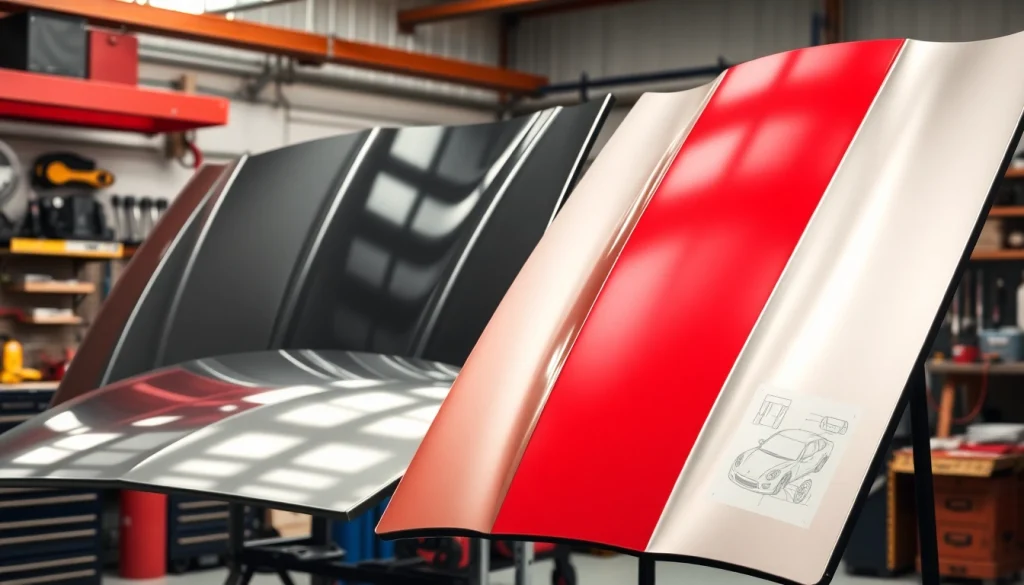
Diverse Types of Hoods and Their Functions
Overview of Common Hood Styles
The automotive industry offers a variety of hoods designed to cater to different aesthetic and functional needs. Common styles include the standard hood, which provides essential engine coverage; the performance hood, boasting features that enhance airflow and cooling; and the custom hood, which often reflects the vehicle owner’s personality. Additionally, lightweight hoods are increasingly popular in racing and performance cars, optimizing speed and maneuverability. Understanding these styles helps vehicle owners make informed choices, whether for aesthetics or performance improvement.
Performance Hoods: Benefits and Features
Performance hoods are engineered for optimal airflow and vehicle cooling, significantly impacting engine performance. Equipped with vents, scoops, and enhanced designs, these hoods ensure that the engine operates at ideal temperatures, hence preventing overheating and increasing efficiency. Moreover, many performance hoods employ lighter materials that reduce overall weight, further contributing to enhanced speed and agility on the road. The investment in a performance hood can yield measurable gains in power and handling, making them a favorite among enthusiasts.
Identifying Cosmetic vs. Functional Hoods
When it comes to hoods, distinguishing between cosmetic and functional hoods is crucial. Cosmetic hoods, while visually appealing, may not offer significant performance advantages. They’re often designed with aesthetics in mind, featuring stylish contours and finishes. Conversely, functional hoods prioritize performance, incorporating elements such as air vents, thermal management systems, and aerodynamic shapes to boost vehicle dynamics. Understanding this distinction enables car enthusiasts to select hoods that align with their specific needs, whether that be style or performance enhancements.
Material Choices for Automotive Hoods
Metal vs. Composite: Pros and Cons
When selecting a hood, the choice of materials—metal or composite—plays a significant role in performance and durability. Metal hoods, typically made from steel or aluminum, are known for their strength and resistance to impact. They offer superior durability for everyday use but can be heavier. On the other hand, composite hoods, made from materials like fiberglass or carbon fiber, are lightweight and can improve performance and fuel efficiency. However, they may come at a higher cost and require special care to prevent damage. Understanding these pros and cons helps owners make informed decisions based on driving style and application.
Understanding Lightweight Materials
Lightweight materials are the future of hood manufacturing, particularly in performance-oriented vehicles. Composites such as carbon fiber and advanced polymers provide excellent strength-to-weight ratios, allowing for fine-tuned performance improvements. A lighter hood reduces the vehicle’s center of gravity, enhancing stability during high-speed maneuvers. Furthermore, these materials can contribute to better fuel efficiency, making them a worthwhile investment for those seeking performance without compromising on strength.
Durability Considerations for Different Hoods
Durability varies significantly across different hood materials. Metal hoods, while strong, can corrode over time, particularly if the vehicle is exposed to harsh weather conditions. Composite hoods, though resistant to rust, can suffer from surface scratches or impacts that may compromise structural integrity. Regular inspections and understanding how each material responds to environmental factors are crucial for maintaining the longevity of your hood. Choosing the correct material based on your driving habits and environment is vital for ensuring that your hood remains in peak condition.
Hood Modifications: Enhancements and Risks
Popular Modifications for Increased Aerodynamics
Hood modifications can significantly improve a vehicle’s aerodynamics. Popular techniques include adding vents or scoops to facilitate airflow through the engine bay, thus maintaining optimal cooling. Additionally, reshaping the hood’s contours can enhance the vehicle’s overall aerodynamic profile, resulting in decreased drag and improved fuel efficiency. These enhancements not only contribute to performance gains but can also yield a more aggressive and appealing appearance on the road.
Aesthetic Changes: Balancing Form and Function
While functional modifications improve performance, aesthetic changes can enhance the vehicle’s visual appeal. Options such as custom paint jobs, racing stripes, or graphic decals can transform a standard hood into a unique statement piece. However, it is essential to balance these aesthetic alterations with the functional aspects of the hood—ensuring that any modifications do not obstruct airflow or cooling capacities. This dual approach can lead to a vehicle that is both visually striking and high-performing.
Potential Risks of Improper Modifications
Improper hood modifications can lead to several setbacks, including reduced performance and increased risk of damage. For example, poorly placed vents may lead to airflow imbalance, increasing engine temperatures rather than cooling them. Additionally, modifications that compromise the structural integrity of the hood can lead to safety hazards or decreased longevity. It’s crucial to consult with automotive experts and conduct thorough research before implementing any modifications, ensuring that the enhancements are safe and effective.
Maintenance Tips for Vehicle Hoods
Routine Inspection Practices for Longevity
Regular inspection is vital for maintaining the integrity and appearance of your vehicle’s hood. Check for signs of wear, such as scratches, dents, or any rust formation, especially if the vehicle is frequently exposed to the elements. Ensure that all seals and hinges are functioning properly to prevent water intrusion, which can lead to long-term damage. Establishing a routine inspection schedule can help catch potential issues before they escalate, preserving both functionality and aesthetics.
Cleaning and Care Techniques for Different Hoods
Cleaning techniques should vary depending on the type of hood material. For metal hoods, use a gentle soap and sponge, followed by a wax application to protect the finish. Ensure that any corrosive contaminants are promptly removed. Composite hoods require a different approach; avoid abrasive cleaners that may damage the surface. Instead, use microfiber cloths and specific cleaning solutions designed for fiberglass or carbon fiber. Regular care enhances appearance and can prolong the hood’s usable life.
Signs of Damage and When to Replace
Recognizing signs of damage is crucial for maintaining your hood. Look for extensive rust, major dents, or structural deformities that could impair the functionality of your hood. If you notice significant deterioration, such as cracks in composite materials or severe corrosion in metal, it may be time for a replacement. Addressing these issues promptly can prevent further damage to your vehicle and ensure safety and performance are not compromised.
The Future of Hood Designs in Automotive Engineering
Innovative Technologies in Hood Manufacturing
As technology advances, so too does hood design and manufacturing processes. Innovations such as 3D printing and advanced composite layering are allowing for more intricate and efficient designs. These technologies enable manufacturers to create hoods that are lightweight, strong, and optimized for airflow, thus improving engine performance while reducing overall vehicle weight. The integration of smart technologies, such as heat sensors, into hood design is also being explored, marking a shift towards a more high-tech future in automotive engineering.
Trends in Eco-Friendly Hood Materials
Environmental considerations are shaping future hood designs, with a growing focus on eco-friendly materials. Manufacturers are exploring bio-based composites and recycled materials that reduce the carbon footprint of automotive production. These sustainable options not only appeal to environmentally conscious consumers but can also lead to reduced manufacturing costs and improved overall vehicle efficiency. A trend towards greener options positions the automotive industry towards a more responsible and sustainable future.
The Role of Customization in Future Hoods
Customization is becoming increasingly important in the automotive market, allowing owners to personalize their vehicles while also enhancing performance. Future hood designs anticipate a higher level of customization, enabling consumers to select specific features based on their performance needs or aesthetic preferences. Custom hoods will likely incorporate modular components that can be easily modified, giving drivers control over their vehicle’s appearance and performance characteristics.
Frequently Asked Questions
What are the main types of automotive hoods?
The main types of automotive hoods include standard, performance, and custom hoods, each serving different functional or aesthetic purposes.
How do material choices impact hood performance?
Material choices affect hood weight, durability, and insulation, thus influencing vehicle performance and efficiency.
What are popular modifications for hoods?
Popular modifications include installing vents for cooling, lightweight materials for weight reduction, and aesthetic enhancements like custom paint.
How should I maintain my vehicle’s hood?
Regularly inspect your hood for damage, clean it to remove dirt and grime, and apply wax to protect the finish and paint.
What are the signs that a hood needs replacement?
Signs that a hood needs replacement include significant dents, rust, or structural damage that affects its function or appearance.