
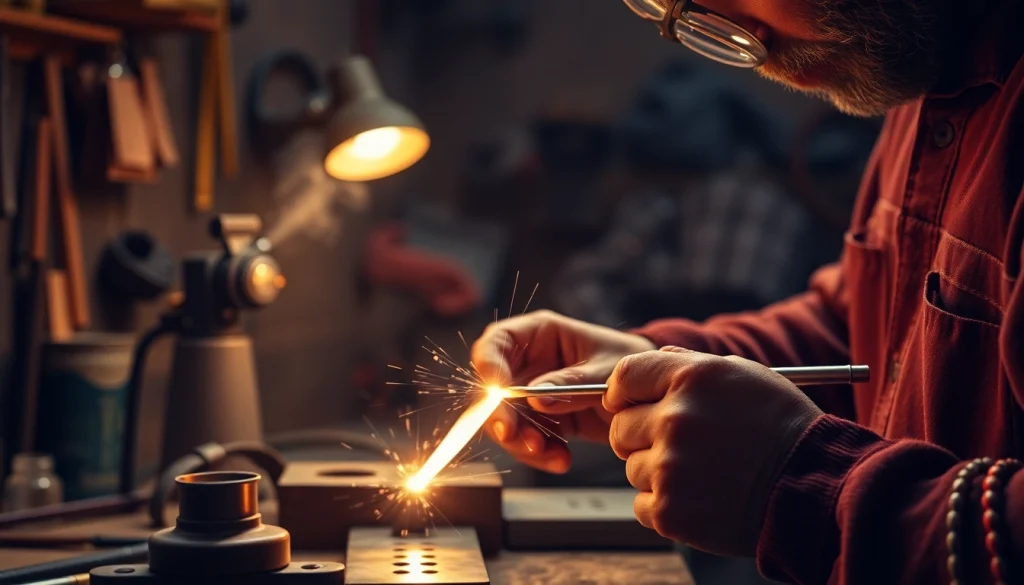
Understanding Silver Brazing Rods
What Are Silver Brazing Rods?
Silver brazing rods are specialized alloy rods used in the process of brazing, which involves joining two or more metals together using a filler metal with a melting point above 450°C (842°F). These rods primarily consist of silver, often combined with copper, zinc, and other elements, making them ideal for creating strong, durable bonds. The use of silver in these rods imparts unique characteristics such as excellent wetting ability, lower thermal expansion, and high corrosion resistance, which are essential for various industrial applications. In the field of metalworking, silver brazing rods are renowned for their versatility and reliability, making them a staple among metal fabricators and repair specialists.
Types of Silver Brazing Rods
Silver brazing rods can be classified based on their composition and intended application. The primary types include:
- Copper-Silver Alloys: These alloys typically contain between 40-60% copper and varying amounts of silver. They are well-suited for general brazing tasks and provide excellent strength and thermal conductivity.
- Nickel-Silver Alloys: Also known as white metals, these rods contain nickel, copper, and zinc, along with silver. They are particularly effective for joining dissimilar metals and offer good corrosion resistance.
- Cadmium-Free Silver Brazing Rods: With growing health and environmental concerns surrounding cadmium, many manufacturers have developed cadmium-free alternatives. These rods maintain high performance while being safer for workers.
- High Silver Content Rods: Containing 70% or more silver, these rods are designed for high-end applications where superior strength and corrosion resistance are required. They are often used in industries such as aerospace and medical equipment manufacturing.
Applications of Silver Brazing Rods
Silver brazing rods find application in numerous sectors due to their high performance and reliability. Some of the key areas include:
- HVAC Systems: Used for joining copper pipes and fittings, silver brazing rods ensure that joints can withstand high pressures and temperatures.
- Automotive: In vehicle manufacturing, these rods are used for assembling components such as radiators, where durable and leak-proof joints are critical.
- Aerospace Industry: Given the stringent requirements for reliability and performance, silver brazing is commonly employed in the assembly of aircraft components.
- Jewelry Making: Silver brazing rods are also popular among jewelers for creating strong, aesthetic joins in precious metal pieces.
Benefits of Using Silver Brazing Rods
High Strength Connections
Silver brazing rods are known for producing exceptionally strong joints that can withstand mechanical stresses, making them ideal for critical applications. The filler metal often possesses a tensile strength that can exceed that of the base materials, ensuring the integrity and longevity of the connection.
Corrosion Resistance
One of the key advantages of using silver brazing rods is their inherent corrosion resistance. Silver and its alloying elements create a barrier that protects the underlying metals from environmental factors, thereby ensuring that the joints remain intact and functional over extended periods, even in harsh conditions.
Versatility in Metal Types
Silver brazing rods can be utilized to join a diverse array of metals, including ferrous and non-ferrous materials. Their versatility makes them a go-to choice for metalworkers dealing with different types of substrates and requiring reliable connections. This capability is especially valuable in repair applications where the base metals may vary.
How to Select Silver Brazing Rods
Consider Material Compatibility
Selecting the appropriate silver brazing rods starts with understanding the materials being joined. It is crucial to choose a rod that matches or complements the base metals’ properties to ensure compatibility and create a reliable joint. For example, when joining copper to aluminum, a specialized alloy may be necessary to prevent intermetallic bonding issues.
Evaluate Melting Points
The melting point of the silver brazing rod should be suitable for the materials involved. It is important to select rods with melting points that allow for adequate heating of the base metals without risking damage. Generally, higher melting point rods are used in applications requiring strong joints under high-stress conditions.
Assess Rod Diameter and Length
The diameter and length of silver brazing rods play a pivotal role in the brazing process. Thicker rods are often required for high-volume applications, while thinner rods may be suitable for delicate tasks. Additionally, the rod length should be adequate to ensure that enough filler metal is available for the entire joint without the need for frequent replacements.
Best Practices for Using Silver Brazing Rods
Preparation of Workpieces
Proper preparation of the workpieces is essential for effective brazing. This includes cleaning the surfaces to remove contaminants such as oils, oxidation, and dirt, which can interfere with the bonding process. A clean surface enables better flow of the braze alloy and enhances the overall strength of the joint.
Effective Heat Application
Applying the right amount of heat during the brazing process is crucial. Too little heat will not melt the filler properly, while excessive heat can harm the base metals. A consistent and controlled heating method, such as a torch or induction heater, ensures that both the base metals and the brazing rod reach the correct temperature for a successful joint.
Post-Brazing Inspection
After brazing, it is advisable to inspect the joints for quality and integrity. This can include visual inspection for defects such as cracks or voids, as well as testing for structural reliability. Techniques such as dye penetrant testing or ultrasonic testing may be employed to ensure that the joints meet the required specifications for safety and performance.
Common Challenges and Solutions with Silver Brazing Rods
Preventing Oxidation
Oxidation can significantly impair the quality of the joint. To prevent oxide formation during the brazing process, it is crucial to use flux that is suitable for the materials being joined. Additionally, maintaining an adequate temperature during the brazing process can help limit exposure to oxygen.
Avoiding Overheating
Overheating can lead to problems such as warping of the base metals or degradation of the filler rod properties. Implementing precise temperature controls, and understanding the specific melting temperatures of the chosen brazing rod, ensures that overheating does not occur. Monitoring temperature visually or with infrared thermometers can help achieve optimal heat levels.
Choosing Proper Flux
Selecting the right flux is essential for enhancing the flow of the silver brazing rods and preventing oxidation. The type of flux used should be compatible with both the metals being joined and the brazing rod composition. Flux not only aids in bonding but also helps clean the surfaces during the heating process, promoting stronger joints.
Conclusion
Silver brazing rods are indispensable tools in metalworking, providing strong, durable joints across various applications. By understanding their composition, applications, and best practices, metalworkers can select the right rods for their projects and achieve high-quality results efficiently. It is crucial to follow best practices for preparation, heat application, and inspection to overcome common challenges in brazing. For further quality supplies and tools, consider exploring options available through Mister Worker, a reliable source for your brazing needs and more.