
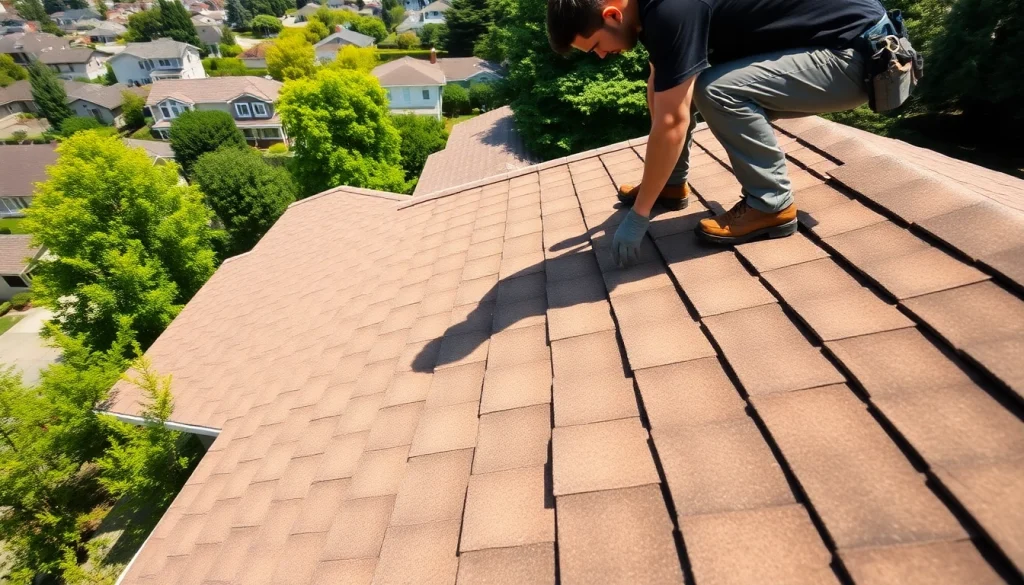
Introduction to Roof Replacement Bay Area
Replacing your roof is a significant project that impacts your home’s longevity, energy efficiency, and aesthetic appeal. In the Bay Area, a region characterized by unique weather patterns and diverse architectural styles, roof replacement is not just a routine home improvement; it’s often a necessary investment. Whether you’re renovating an older home or ensuring a new one remains protected against the elements, understanding the nuances of roof replacement Bay Area is essential.
What is Roof Replacement?
Roof replacement involves removing the old roofing materials and replacing them with new ones. This process may be necessary when a roof reaches the end of its lifespan or suffers significant damage, which can affect a building’s structural integrity. Unlike repairs that deal with specific issues, replacement offers a comprehensive solution to ensure the roof performs well for many years. The duration and complexity of this process can vary depending on the size of the roof, the materials chosen, and the existing roof conditions.
Why Roof Replacement is Important
Choosing to replace your roof is not merely about aesthetics; it has several critical implications. First, a new roof protects against leaks, mold growth, and other moisture-related issues, which can compromise your home’s foundation. Additionally, modern roofing materials often provide better insulation and energy efficiency, which can lower utility bills. Furthermore, a well-maintained roof enhances your home’s curb appeal and value, a crucial consideration in the competitive Bay Area real estate market.
Overview of the Bay Area Roofing Market
The Bay Area boasts a dynamic housing market, significantly influencing its roofing sector. With diverse climates ranging from coastal breezes to mountain terrains, homeowners have various roofing options tailored to withstand environmental challenges. Additionally, government incentives for green building practices have increased the popularity of solar roofing and sustainable materials, making it crucial for homeowners to understand the various market dynamics before committing to a roof replacement.
Signs You Need a Roof Replacement Bay Area
Common Indicators of Roof Damage
Recognizing when your roof may need replacement can prevent more extensive damage and costly repairs. Common signs include:
- Curled or Missing Shingles: This indicates that the shingles are reaching the end of their lifespan.
- Leaking or Staining Ceilings: Interior leaks can lead to extensive water damage.
- Mold Growth: This often suggests prolonged moisture and potential structural issues.
- Granule Loss: The presence of granules in gutters may indicate that the shingles are deteriorating.
Assessing Roof Lifespan
The lifespan of a roof depends on various factors, including material type, climate, and maintenance. For example, asphalt shingle roofs generally last 15-30 years, while metal roofs can last 50 years or more. Regular inspections can help homeowners gauge their roof’s condition and determine the appropriate time for replacement.
Professional Roof Inspections
Hiring a professional for a detailed roof inspection is vital, especially after severe weather events. Experts can identify subtle issues that may not be visible to the untrained eye and provide insights into repair vs. replacement decisions. Regular professional inspections can ultimately save homeowners money by catching problems early.
Choosing the Right Materials for Roof Replacement Bay Area
Popular Roofing Materials
When it comes to roofing materials in the Bay Area, homeowners have several options, each with its pros and cons:
- Asphalt Shingles: Affordable and easy to install, these are the most common roofing materials.
- Metal Roofing: Increasingly popular due to durability and energy efficiency, metal roofs are great for resisting harsh weather.
- Tile roofing: Ideal for Mediterranean-style homes, they offer longevity and natural insulation.
- Slate: Known for elegance and durability, slate roofs can last over a century but are more expensive.
Cost vs. Longevity Considerations
While choosing a material often hinges on budget, it’s essential to consider the long-term financial implications. Investing in a more expensive roof can yield savings over time due to longevity and reduced maintenance costs. For instance, while a metal roof may cost more upfront than asphalt shingles, its lifespan and energy efficiency can lead to significant savings in the long term.
Environmental Impact of Roofing Choices
As sustainability becomes a priority for many homeowners, the environmental impact of roofing materials is a critical consideration. Sustainable options like cool roofing systems and recycled materials can lower energy consumption and reduce a home’s overall carbon footprint. Homeowners should evaluate their options based on performance, durability, and environmental responsibility.
The Roof Replacement Process Bay Area
Preparing for the Roof Replacement
Effective preparation is key to a successful roof replacement. Homeowners should begin by selecting a reputable contractor, obtaining necessary permits, and securing their property from potential debris. Additionally, communication with neighbors about upcoming work can mitigate disruptions.
Step-by-Step Replacement Process
The roof replacement process typically involves several key stages:
- Site Preparation: This includes removing furniture and landscaping as required.
- Old Roof Removal: Existing materials are stripped away to reveal the underlying structure.
- Inspection and Repairs: Any damage to the decking or underlying structures is repaired.
- Installation of New Roofing: New materials are laid according to manufacturer specifications.
- Final Inspection and Cleanup: Ensuring no debris remains and checking for quality assurance.
Post-Replacement Care and Maintenance
Once your new roof is installed, maintaining it is crucial to prolong its life. Regular inspections, cleaning gutters, and trimming overhanging branches can prevent wear and tear. Homeowners should also remain vigilant for new signs of damage to catch potential issues promptly.
FAQs About Roof Replacement Bay Area
How long does a roof replacement take?
A roof replacement typically takes anywhere from one day to a week, depending on the project size and materials used.
What is the average cost of roof replacement Bay Area?
The cost varies widely, generally ranging from $5,000 to $20,000 based on size, materials, and contractor rates.
Do I need a permit for roof replacement Bay Area?
Yes, roofing projects usually require permits, so it’s essential to check with local regulations before starting.
What is the best season for roof replacement Bay Area?
Spring and early fall are ideal for roof replacements due to milder weather conditions, ensuring quality work.
How can I finance my roof replacement?
Home equity loans, personal loans, and contractor financing options are often available solutions for financing your roof replacement.