
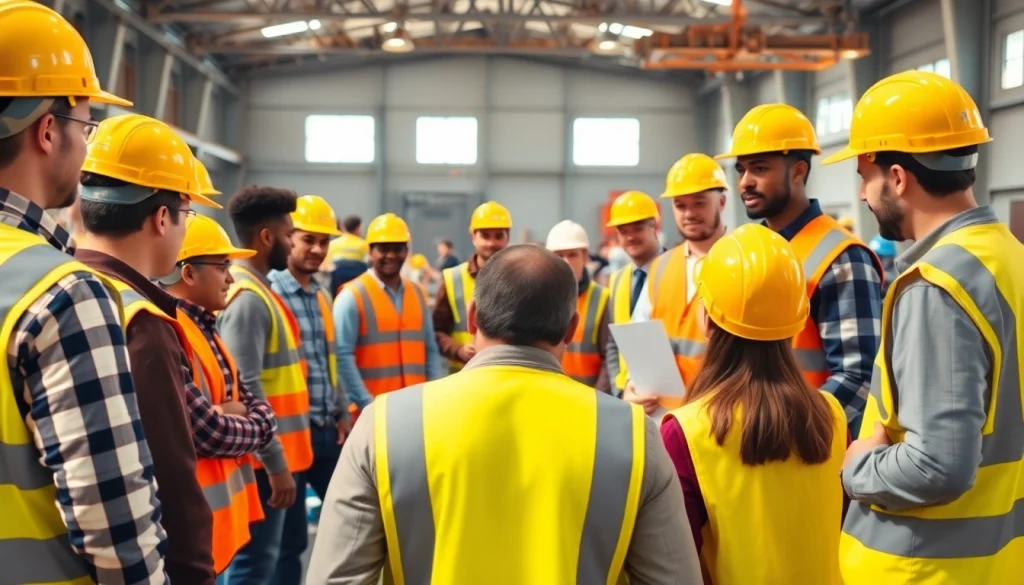
Understanding the Importance of Construction Safety Training
In the construction industry, safety is paramount. Workers are often exposed to a variety of hazards, making construction safety training essential for minimizing risks. Implementing effective training programs not only protects employees but also ensures compliance with regulations and enhances workplace productivity. By investing in construction safety training, organizations can create a safer and more efficient work environment.
What is Construction Safety Training?
Construction safety training encompasses a wide range of educational programs designed to equip workers with the knowledge and skills necessary to perform their jobs safely. This training covers various topics, including hazard recognition, proper use of personal protective equipment (PPE), emergency response procedures, and safe operation of machinery. Effective training programs cater to varied learning styles and ensure that all workers, from seasoned professionals to newcomers, understand the risks associated with their tasks.
The Role of Safety Training in Reducing Workplace Accidents
Statistics consistently highlight a correlation between comprehensive safety training and reduced workplace accidents. When workers are educated about potential hazards and safe work practices, they are better equipped to avoid accidents. Furthermore, businesses that prioritize safety training experience lower insurance premiums and lower incident rates. By fostering a culture of safety, organizations can enhance overall productivity and employee morale.
Legal Requirements for Construction Safety Training
Legal compliance is a critical aspect of construction safety training. Various federal regulations, such as those set by the Occupational Safety and Health Administration (OSHA), mandate specific training requirements for certain roles within the construction sector. Organizations must not only be aware of these regulations but also ensure that training is regularly updated to reflect any changes. Failure to comply can result in severe penalties and increased liability in the event of an accident.
Key Components of an Effective Construction Safety Training Program
Essential Topics to Cover in Training
An effective construction safety training program should cover a variety of essential topics tailored to the unique needs of the construction environment. Key areas include:
- Hazard Recognition: Teaching workers how to identify potential hazards on site, such as electrical risks, slips, trips, and falls.
- Personal Protective Equipment (PPE): Proper use and maintenance of PPE to minimize exposure to risks.
- Emergency Procedures: Protocols for responding to workplace emergencies, including evacuation plans and first aid responses.
- Machinery Safety: Safe operation and maintenance of construction machinery, including training on specific equipment.
- Fall Protection: Understanding the importance of fall protection systems and safe practices when working at heights.
Choosing the Right Training Format: In-Person vs. Online
When selecting a training format, organizations must consider their workforce’s specific needs and preferences. In-person training allows for hands-on demonstrations and immediate feedback, which can enhance understanding and retention. However, online training provides flexibility and accessibility, allowing employees to complete modules at their own pace. Hybrid models combining both formats can also be effective, featuring online courses for foundational knowledge followed by live sessions for practical applications.
Creating an Engaging Learning Environment
An engaging learning environment is crucial for the success of any training program. Instructors should utilize interactive teaching techniques, such as group discussions, simulations, and hands-on activities. Incorporating real-life scenarios and case studies can make the training more relevant and memorable for participants. Feedback should be encouraged throughout the training, fostering a culture where employees feel comfortable expressing their concerns and questions regarding safety practices.
Effective Training Techniques and Strategies
Hands-On Training Techniques for the Construction Industry
Hands-on training is particularly vital in the construction industry, where practical skills often determine safety and efficiency. Techniques such as role-playing, mock drills, and live demonstrations enable workers to practice responses to various scenarios in a controlled setting. For instance, conducting practice drills for emergency evacuations can better prepare workers for real-life situations, instilling confidence and ensuring they know how to act swiftly.
Utilizing Technology in Construction Safety Training
Technology continues to reshape the construction industry, and this trend extends to safety training. Virtual reality (VR) and augmented reality (AR) can simulate hazardous situations, allowing employees to experience and react without real-world consequences. Additionally, mobile training applications can provide on-the-go learning, allowing workers to access safety resources anytime and anywhere. Utilizing data analytics tools can also help employers assess the effectiveness of training programs through performance metrics and incident reports.
Assessing Knowledge Retention and Skills Application
To gauge the effectiveness of safety training, organizations must assess knowledge retention and the practical application of skills learned. This can be accomplished through various methods, including quizzes, hands-on evaluations, and regular safety drills. Feedback sessions can also highlight areas where additional training may be needed. Continuous monitoring and assessment ensure that employees remain proficient in safety practices and adapt to evolving industry standards.
Best Practices for Implementing Construction Safety Training
Integrating Safety Training into Company Culture
To maximize the impact of construction safety training, it must be woven into the organization’s overall culture. Leadership should actively promote safety initiatives, setting a positive example by participating in training sessions and enforcing safety standards. Safety committees comprising workers from various levels can further enhance engagement and ownership of safety practices. By fostering a culture of safety, organizations can cultivate an environment where safety is a shared value among all employees.
Periodic Training Refreshers and Evaluations
Sustaining safety awareness requires ongoing training and evaluation. Periodic refresher courses could be held at least annually or whenever new equipment, procedures, or hazards arise. Monitoring and assessing training effectiveness through regular evaluations can help identify gaps in knowledge and ensure that all employees remain up-to-date on safety protocols. Such consistency reinforces the importance of safety and demonstrates a commitment to employees’ well-being.
Monitoring and Reporting Safety Training Outcomes
To understand the effectiveness of safety training initiatives, organizations should develop a robust monitoring and reporting system. This includes tracking incidents, near misses, and employee feedback to identify trends and areas for improvement. Analytics tools can assist in compiling this data, providing insights that guide future training programs and policy updates. Transparent reporting ensures that all employees understand safety performance and can contribute to continual improvements.
FAQs About Construction Safety Training
What are the key elements of construction safety training?
Key elements include hazard recognition, emergency procedures, and proper use of PPE, essential for promoting a safe work environment.
How often should construction safety training occur?
Training should be ongoing, with refreshers at least annually or when new hazards arise to ensure all workers stay informed about safety practices.
Can online training be as effective as in-person training?
Yes, if designed well, online training can effectively deliver crucial safety information and engage learners through interactive content.
What type of certification can I receive from construction safety training?
Many organizations offer certifications that recognize successful completion of safety training programs, enhancing career prospects for workers.
How do I measure the effectiveness of safety training?
Effectiveness can be tracked through incident reports, employee feedback, attendance records, and skill assessments to continuously improve safety practices.