
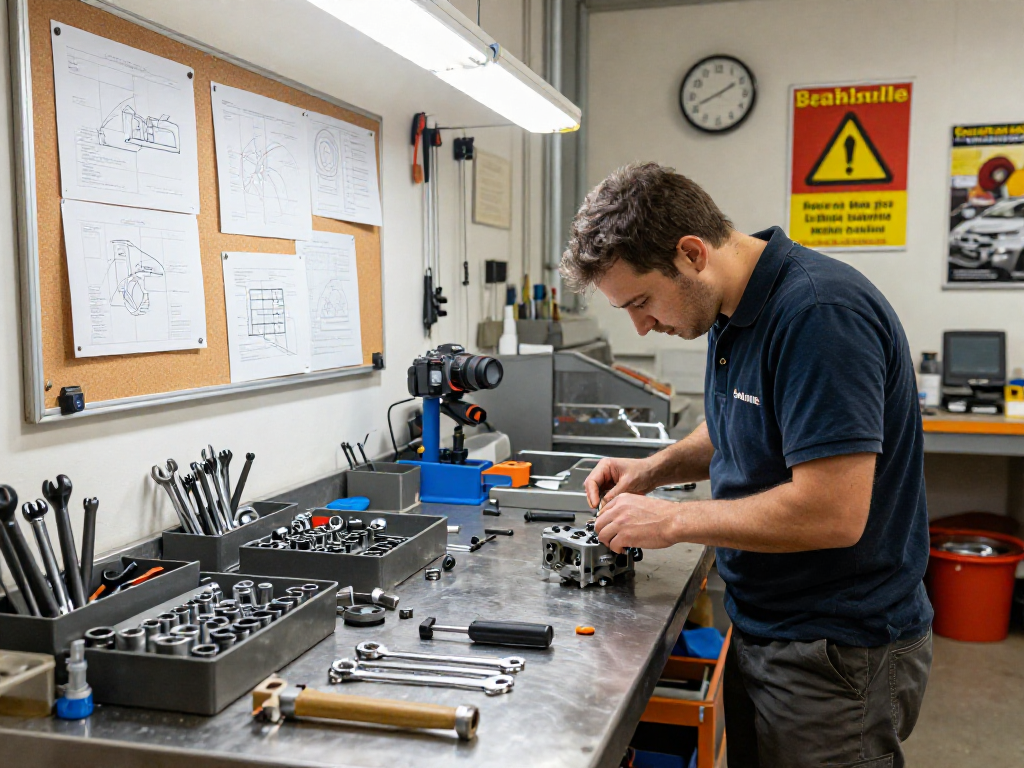
Understanding Stahlwille Tools and Their Advantages
Stahlwille has established itself as a prominent name in the tooling industry, especially renowned for its precision-engineered tools that cater to professional technicians and hobbyists alike. With a commitment to quality and innovation, Stahlwille tools exemplify durability and ergonomic design, making them an indispensable asset in modern workshops. When exploring options, stahlwille provides comprehensive insights into the extensive range of products that set the standard for excellence in tool manufacturing.
What Makes Stahlwille Tools Unique?
Stahlwille tools are distinguishable by their rigorous attention to detail and superior engineering. Each tool is crafted from high-quality materials, ensuring long-lasting performance under demanding conditions. The brand's dedication to precision is reflected in their manufacturing processes, which utilize cutting-edge technology alongside traditional craftsmanship. One hallmark of Stahlwille tools is their incorporation of ergonomic principles, designed to reduce strain and enhance user comfort during prolonged use. This commitment to user-centric design not only improves usability but also increases productivity, making Stahlwille tools a favorite among professionals.
Comparative Benefits over Other Brands
When comparing Stahlwille to other tool manufacturers, several key advantages emerge. For instance, Stahlwille tools tend to outperform competitors in terms of torque accuracy and durability. This durability is often attributed to their use of robust materials such as chrome vanadium and chrome molybdenum steel, which are resistant to wear and corrosion. Additionally, Stahlwille's tools undergo strict quality control tests, ensuring they meet the highest industry standards. Many technicians report a marked difference in performance and reliability when opting for Stahlwille over other brands.
Choosing the Right Tools for Your Needs
Finding the ideal Stahlwille tools for specific projects involves understanding the various types available and their intended applications. For automotive technicians, for example, a combination of ratchets, sockets, and torque wrenches may be essential. Conversely, those working with HVAC applications might prioritize specialized wrenches and pliers. Engaging with knowledgeable suppliers and conducting thorough research into specific tool capabilities can significantly streamline the selection process for optimal results.
Essential Techniques for Using Stahlwille Tools
Maximizing the potential of your Stahlwille tools begins with mastering essential techniques. From proper handling to advanced skills, knowing how to effectively use these tools can dramatically improve efficiency and outcomes.
Proper Handling and Maintenance Tips
To maintain the longevity and functionality of Stahlwille tools, technicians should adhere to a systematic maintenance routine. This includes cleaning tools after use, storing them in protective cases, and routinely checking for wear or damage. Utilizing the appropriate cleaning agents that won’t corrode metal surfaces is crucial. Additionally, lubricating moving parts can enhance performance and extend the tool's lifespan.
Advanced Techniques for Precision Work
For specialized tasks, mastering advanced techniques is vital. For instance, using torque wrenches correctly involves understanding the specified torque settings for different applications to prevent over-tightening and damage to components. Moreover, employing the right socket heads can maximize grip and minimize slippage, particularly in high-torque scenarios. Continuous practice and training in these techniques can lead to greater accuracy in work and fewer mistakes.
Common Mistakes to Avoid
Even seasoned technicians can fall prey to common mistakes when using tools. One notable error is using the wrong tool for a specific job, which can lead to inefficient work and increased wear on both the tool and the component being worked on. Additionally, neglecting to calibrate tools regularly can result in inaccurate measurements, affecting overall project quality. Being mindful of these pitfalls can significantly enhance workflow and tool longevity.
Real-World Applications of Stahlwille Tools
The versatility of Stahlwille tools is evident through their application in various sectors, especially within automotive workshops. These tools not only support routine tasks but also facilitate intricate repair jobs, showcasing their adaptability.
Case Studies from Leading Automotive Workshops
A number of leading automotive workshops have documented their experiences with Stahlwille tools, noting improvements in efficiency and accuracy. For instance, a workshop specializing in high-performance vehicles found that adopting Stahlwille's precision torque wrenches significantly reduced the risk of engine damage during assembly. This, in turn, decreased customer return rates and increased satisfaction.
Innovative Uses in Specialized Automotive Fields
Stahlwille tools have also penetrated specialized fields, such as race car engineering, where precision is of utmost importance. Engineers utilize these tools for tasks requiring meticulous tensioning of components, where even the slightest inaccuracy can affect performance. Their lightweight design and high strength make them ideal for motorsports, allowing teams to maintain competitive edges through reliable tool performance.
Testimonials from Professional Technicians
Feedback from professional technicians frequently highlights the distinct qualities of Stahlwille tools. Many users mention the tools’ exceptional grip and ergonomic designs, which significantly reduce fatigue during long hours of work. Technicians often recount how investing in high-quality tools like those from Stahlwille has led to more accurate work and a substantial reduction in time spent on tasks.
Future Trends in Automotive Tooling with Stahlwille
As we look toward 2026, several trends in the tooling industry are expected to shape the future of Stahlwille's offerings. These trends encompass technological advancements, environmental considerations, and automation integrations.
Emerging Technologies and Developments for 2026
The continuous advancement of technology is set to influence the design and functionality of tools significantly. In the upcoming years, expect to see tools that integrate smart technology, enabling features such as real-time torque feedback and digital calibration. These innovations are designed to enhance precision and user safety, aligning with the needs of modern technicians.
Sustainability Initiatives in Tool Manufacturing
As environmental concerns gain prominence, Stahlwille is likely to adopt more sustainable manufacturing practices. This could involve utilizing recycled materials, reducing waste during production, and developing tools that are easier to recycle at the end of their lifecycle. Such initiatives not only address environmental issues but can also appeal to a growing segment of eco-conscious consumers.
The Impact of Automation on Tool Usage
The rise of automation within workshops will also affect how tools are utilized. As more processes become automated, the demand for precision tools that can seamlessly integrate with robotic systems will increase. Stahlwille's commitment to innovation positions them well to adapt to these increasing demands while maintaining the quality and performance technicians expect.
Maximizing Efficiency with Stahlwille in Your Workshop
To fully leverage the capabilities of Stahlwille tools, implementing efficient strategies within your workshop is essential.
Strategies for Streamlining Workflow
Evaluating and redesigning workflow processes can lead to significant improvements in efficiency. Organizing tools in a systematic manner, perhaps by type or frequency of use, can drastically reduce time spent searching for the right tool. Additionally, utilizing tool tracking systems can help in managing inventory and ensuring that all tools are accounted for.
Performance Metrics for Tool Effectiveness
Establishing performance metrics is crucial for assessing the effectiveness of tooling solutions. Metrics such as tool durability, frequency of calibration, and user satisfaction ratings can provide insights into both tool performance and technician productivity. Analyzing these metrics can help inform future tool purchases and training needs.
Training and Resources for Technicians
Ongoing training is vital for technicians to keep abreast of best practices and innovations in tooling. Providing access to training resources, whether through workshops or digital content, can empower technicians to utilize Stahlwille tools to their fullest potential. Furthermore, fostering a culture of continuous learning can lead to a more capable and adaptive workforce.
What are the best practices for maintaining Stahlwille tools?
To keep your Stahlwille tools in optimal condition, adhere to the following best practices: regularly clean tools after use, store them in designated cases, check for wear or damage before each use, and perform routine maintenance as outlined by the manufacturer. These practices not only extend tool life but also ensure safety in the workshop.
How can Stahlwille tools improve workshop efficiency?
Stahlwille tools enhance workshop efficiency through their durability, ergonomic design, and precision. These attributes minimize downtime associated with tool failure and reduce the physical strain on technicians, allowing for a smoother workflow and increased productivity overall.
What new features are expected in Stahlwille tools for 2026?
By 2026, expect Stahlwille tools to incorporate smart technology, such as integrated sensors for measuring torque in real time. Enhanced connectivity features may also allow tools to sync with workshop management software, providing technicians with data-driven insights into tool performance and maintenance schedules.
How do I choose the right Stahlwille tool for my project?
Choosing the right Stahlwille tool involves assessing the specific requirements of your project, including the types of fasteners you'll be dealing with, the torque needed, and any special conditions that may affect tool selection. Consulting with professionals and relying on reputable suppliers can significantly aid in making informed decisions.
What are common issues faced by technicians using Stahlwille tools?
Common issues include improper use leading to tool damage, overlooking regular maintenance, and choosing the wrong tool for a specific application. For more information, Mister Worker offers valuable insights. Addressing these challenges through training and informed purchasing decisions can mitigate potential problems and enhance overall tool performance.