
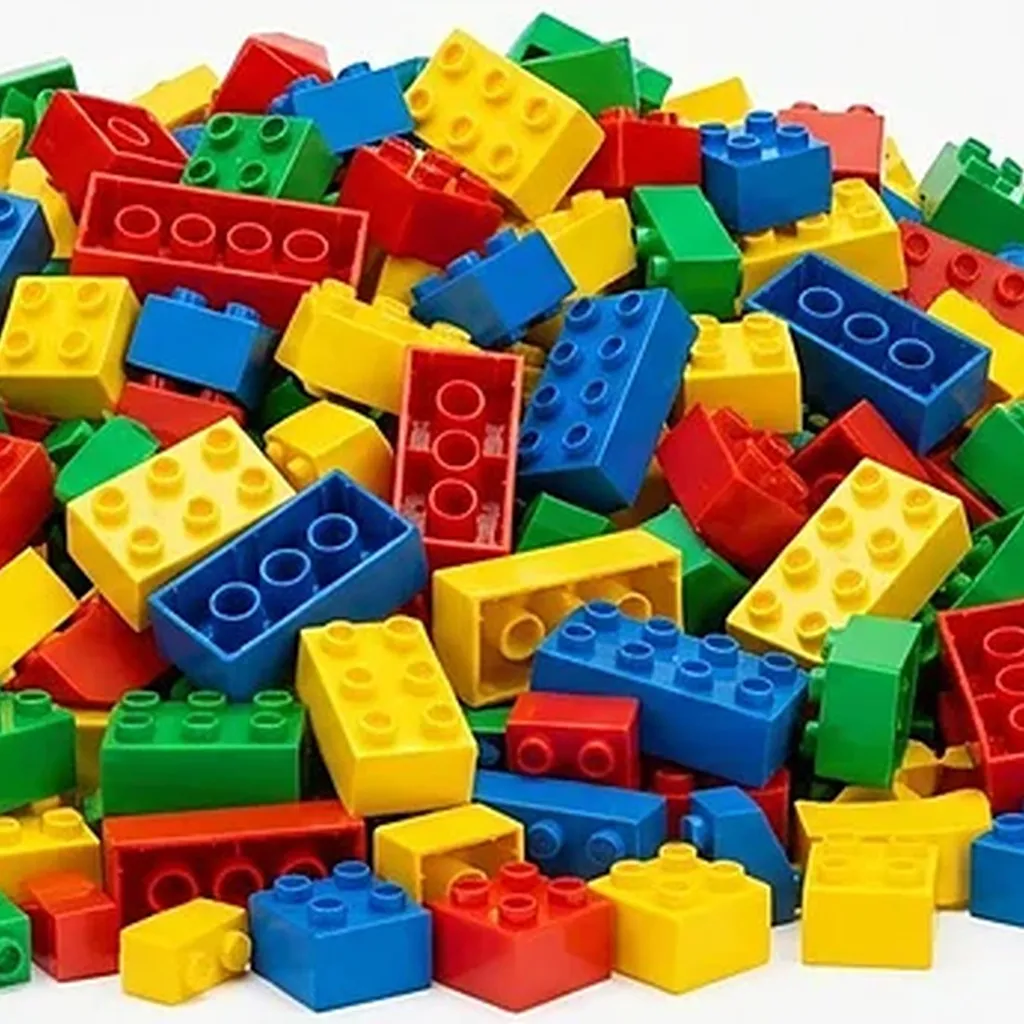
Giant Building Blocks are a simple yet powerful way to encourage children to think creatively, experiment freely, and turn imaginative concepts into physical creations. With Giant Building Blocks, children can construct towers, houses, castles, bridges, vehicles, and entirely original designs using their own ideas. Giant Building Blocks also encourage hands-on learning by combining movement, planning, and problem-solving in one engaging activity. For families, classrooms, playrooms, and childcare spaces, Giant Building Blocks offer an adaptable play experience that can inspire children to build big ideas from the ground up.
How Giant Building Blocks Inspire Big Ideas
Children naturally learn through exploration. When they receive a collection of large construction pieces, there is no single correct way to use them. One child may create a tall tower, while another may design a pretend shop or an imaginative fortress.
This freedom makes construction play an excellent environment for creative thinking. Instead of simply following instructions, children make decisions about shapes, colors, placement, size, and structure. Every new arrangement becomes an opportunity to test another idea.
Turning Imagination Into Reality
An idea in a child's imagination can be difficult to explain with words alone. Building provides a physical way to express that idea. Children can use oversized blocks to transform an imagined castle, robot, house, or city into something they can see and touch.
Giant Building Blocks support this process because their larger format makes creations easy to handle and visually exciting. Children can watch their ideas grow piece by piece, which can give them a sense of accomplishment and encourage them to attempt more ambitious projects.
Learning Through Trial and Error
Not every construction project works on the first attempt. A tower may lean, a bridge may collapse, or a wall may become unstable. These moments are valuable learning opportunities.
Instead of viewing mistakes as failures, children can treat them as part of the design process. They can adjust the foundation, change the arrangement, or select different pieces. This teaches persistence and introduces basic engineering concepts in an age-appropriate way. For more information about large building blocks for kids, explore their features, benefits, age suitability, and role in encouraging imaginative and educational play.
Educational Benefits of Giant Building Blocks
Construction play is not only entertaining; it can also support important developmental skills. Giant Building Blocks provide children with opportunities to practice physical coordination, reasoning, communication, and creativity while they play.
Developing Problem-Solving Skills
Every building project presents a small problem to solve. Children must decide where pieces belong and how different components should fit together. When something does not work, they need to think about possible solutions.
This type of hands-on problem-solving encourages logical thinking. Children gradually learn to plan before acting, observe results, and make changes when necessary.
Supporting Spatial Awareness
Understanding how objects relate to one another is an important part of early development. Building activities allow children to explore concepts such as height, width, depth, balance, distance, and position.
Giant Building Blocks make these concepts tangible. Children can compare a short wall with a tall tower, determine how many pieces are needed to make a bridge, or experiment with different arrangements to create a stable structure.
Strengthening Motor Coordination
Large construction pieces require children to reach, lift, carry, stack, connect, and position objects. These actions can support gross motor development and hand-eye coordination.
Depending on the design of the blocks, children may also practice more precise movements when aligning or connecting pieces. The combination of physical activity and creative thinking makes block play an engaging alternative to passive entertainment.
Creative Projects to Try With Giant Building Blocks
There are countless ways to use oversized construction toys. Adults can introduce a theme or challenge while allowing children to determine the details of their designs.
Build a Dream House
Ask children to create their ideal home. They can build walls, rooms, doors, windows, furniture, and outdoor spaces using large construction pieces.
This project can become a storytelling activity. Children can explain who lives in the house, what each room is used for, and what happens inside their imaginary home.
Design a Giant Tower
A tower challenge is an excellent way to introduce concepts of balance and stability. Children can experiment with different foundations and discover why wider bases often provide better support.
Encourage them to predict what might happen before adding another piece. This turns a simple building activity into an engaging lesson in observation and experimentation.
Create an Imaginary City
Children can work individually or in groups to design a complete city. Buildings, bridges, roads, parks, stores, and transportation areas can all become part of the project.
Giant Building Blocks are particularly useful for collaborative city-building because several children can contribute different structures to one larger creation.
Social Learning Through Construction
Building projects can become more meaningful when children work together. Collaborative construction encourages them to share resources, listen to different ideas, and make decisions as a group.
One child may want to build a tall tower while another wants to create a wide building. They can discuss their plans and find ways to combine their ideas.
Encouraging Teamwork
Team projects teach children that large goals can be easier to achieve when everyone contributes. Assigning simple responsibilities can help children understand cooperation.
For example, one child can collect pieces, another can organize them, and others can build different sections. The completed project becomes a shared accomplishment.
Developing Communication
Construction encourages children to describe what they are doing and explain what they need. They may ask another child for a particular block or suggest a new design.
These conversations provide natural opportunities to practice vocabulary, listening, negotiation, and clear communication.
Choosing the Right Giant Building Blocks
Parents and educators should consider several factors when selecting a construction set. The child's age, available space, material, block size, durability, and intended use can all influence the best choice.
Material and Construction Quality
Building blocks may be made from foam, plastic, wood, or other materials. Lightweight foam options can be useful for indoor environments where softer pieces are preferred, while firm construction pieces can provide a different building experience.
Look for smooth surfaces, durable construction, and designs appropriate for the intended age group. Giant Building Blocks should also be inspected regularly for damage or worn components.
Size and Storage
Large blocks can require considerable storage space, especially when purchasing a substantial set. Before buying, consider where children will build and where the pieces will be stored after playtime.
Open shelves, large baskets, and storage containers can make cleanup easier. An organized play area also allows children to find the pieces they need without assistance.
Making Giant Building Blocks Part of Everyday Learning
Construction activities can be incorporated into both structured and unstructured learning. Teachers can use blocks to introduce counting, patterns, colors, shapes, measurements, and basic design concepts.
For example, children can be asked to create a structure using a specific number of pieces. They can count blocks, compare different heights, or identify repeating patterns.
At home, parents can use simple prompts to encourage deeper thinking. Questions such as “How could you make it stronger?” or “What would happen if you changed the base?” can help children think about their decisions without taking control of the project.
Giant Building Blocks are especially effective when children have enough freedom to experiment. The objective is not necessarily to create a perfect structure but to encourage curiosity and independent thinking.
Safety Considerations for Large Construction Toys
Safety should always be part of construction play. Choose products appropriate for the child's age and follow the manufacturer's guidance. Inspect pieces regularly and remove any damaged components.
Children should have enough space to build without obstacles nearby. Tall structures should be created in appropriate areas where falling pieces are unlikely to cause injury. Adults should provide supervision when necessary, especially during larger group activities.
Teaching children not to throw blocks or intentionally knock structures toward other people can also help establish safe play habits.
Frequently Asked Questions
1. What are Giant Building Blocks used for?
Giant Building Blocks are used for construction, imaginative play, creative challenges, collaborative projects, and hands-on learning. Children can create structures ranging from simple towers to elaborate pretend environments.
2. Can Giant Building Blocks support early learning?
Yes. Construction play can introduce concepts involving shapes, counting, patterns, balance, measurement, spatial awareness, and problem-solving while keeping children actively engaged.
3. Are large building blocks suitable for group play?
Many large construction sets work well for group activities. Children can collaborate on cities, castles, bridges, obstacle courses, and other projects while practicing teamwork and communication.
4. How can parents encourage creativity during block play?
Parents can offer open-ended challenges rather than giving exact instructions. Asking children what they are building, how they plan to improve it, or what they could add next can encourage independent thinking.
5. What should I consider when buying Giant Building Blocks?
Consider age suitability, materials, durability, block dimensions, storage requirements, available play space, and the type of construction activities children are likely to enjoy.
Conclusion
Giant Building Blocks provide children with an engaging foundation for creativity, exploration, and hands-on learning. From building dream homes and imaginative cities to experimenting with towers and bridges, children can transform simple pieces into meaningful creations. Giant Building Blocks encourage problem-solving, spatial awareness, motor coordination, communication, and persistence without limiting children to one predetermined outcome. With appropriate materials, enough space, and safe play practices, large construction toys can become a valuable part of everyday play. Most importantly, Giant Building Blocks give children the freedom to turn small ideas into big projects, helping them discover that creativity begins with imagination and grows through experimentation.