
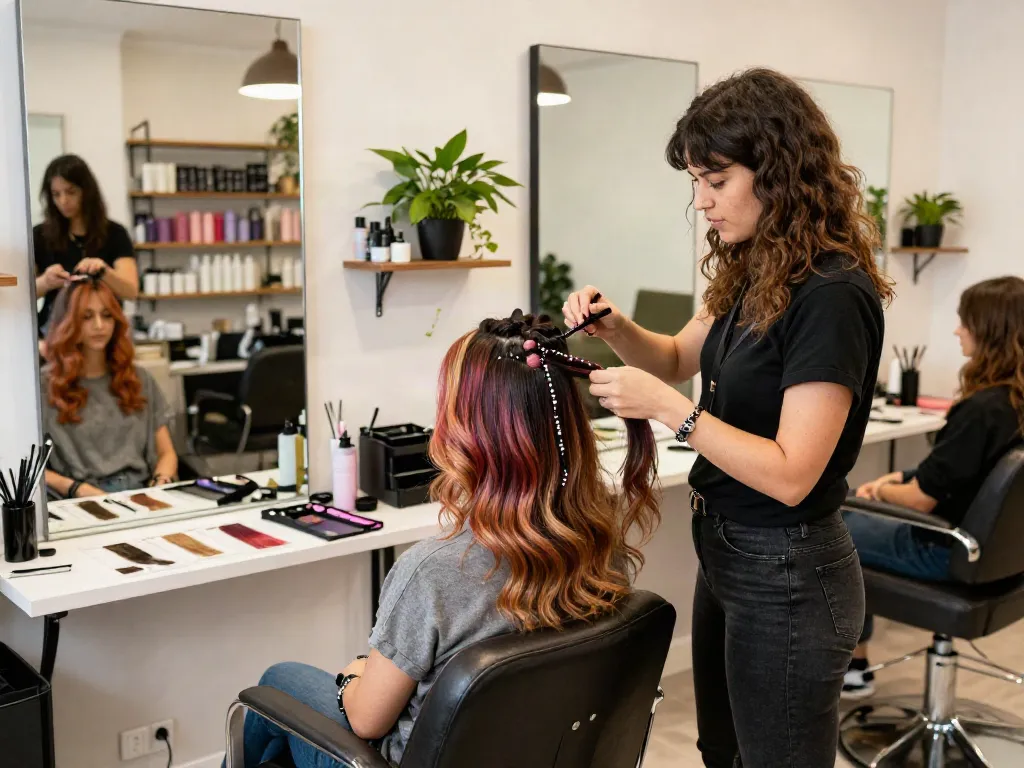
Understanding Beaded Weft Hair Extensions
Beaded weft hair extensions have become a staple in the world of hair enhancement, offering versatility and durability without the damaging effects commonly associated with traditional methods. As more individuals seek to elevate their hairstyles, understanding the intricacies of beaded weft extensions is essential. These extensions utilize a unique application method that combines the longevity of wefts with the gentleness of bead application, making them a favorite choice among hair enthusiasts and professionals alike.
When exploring options, beaded weft hair extensions provide comprehensive insights into application methods, care routines, and styling possibilities, allowing users to make informed decisions tailored to their needs.
What are Beaded Weft Hair Extensions?
Beaded weft hair extensions consist of a row of hair strands that are sewn or bonded together to form a weft. Unlike traditional sew-in extensions that use glue or heat, beaded extensions use small silicone-lined beads to secure the weft to the natural hair. This method involves sectioning the natural hair, threading it through the bead, and then inserting the weft into the bead, securing it tightly without causing damage. The end result is a seamless blend that adds length and volume while maintaining the health of your natural hair.
How Beaded Weft Extensions Differ from Other Types
Beaded weft extensions stand out from other extension types such as clip-ins and tape-ins due to their unique installation method. Here’s how they compare:
- Durability: Beaded weft extensions typically last longer than clip-ins and tape-ins, often up to three to six months with proper care.
- Damage-Free Application: The use of silicone-lined beads minimizes damage to natural hair, unlike glue-based methods.
- Customizable Volume: Users can add multiple wefts to achieve desired thickness without the hassle of clips slipping out.
Benefits of Choosing Beaded Weft Hair Extensions
There are numerous advantages to opting for beaded weft hair extensions:
- Natural Appearance: They blend seamlessly with your natural hair, creating a more authentic look.
- Easy Maintenance: They can be washed, styled, and treated just like natural hair, giving users flexibility in their hair care routines.
- Less Tension on Hair: The bead method reduces tension on the scalp, preventing potential hair loss or damage.
Application Techniques for Beaded Weft Extensions
Step-by-Step Guide to Installing Beaded Weft Extensions
Installing beaded weft hair extensions may seem daunting, but with the right approach, it can be a straightforward process. Here’s a simplified guide:
- Preparation: Start by washing and drying your natural hair. Avoid using conditioner as it can make your hair slippery.
- Sectioning: Create horizontal sections across the back of your head, securing the upper layers with clips.
- Threading Beads: Take a small section of hair, thread it through a bead, and slide the bead close to the scalp.
- Inserting the Weft: Place the weft inside the bead and clamp it down securely using a bead tool.
- Repeat: Continue this process, working your way up the head until you achieve the desired look.
Common Mistakes During Application and How to Avoid Them
Even experienced stylists can make mistakes when applying beaded weft extensions. Here are some common pitfalls:
- Overloading Wefts: Adding too many wefts can create excessive weight, leading to tension on the scalp. Aim for a balance.
- Improper Bead Placement: Beads should be placed close to the scalp but without pulling on the hair. This can prevent discomfort and potential breakage.
- Neglecting Maintenance: Failing to regularly check and move up the beads can lead to tangling and unwanted tension.
Essential Tools and Products for Successful Application
To ensure a successful application of beaded weft extensions, you will need the following tools:
- Bead tools
- Silicone-lined beads
- Hair shears
- Sectioning clips
- Combs and brushes
Additionally, investing in high-quality hair extensions will significantly enhance the overall look and longevity of the extensions.
Caring for Your Beaded Weft Hair Extensions
Daily Routine for Maintaining Beaded Weft Extensions
Caring for your beaded extensions is crucial for maintaining their integrity and appearance. Here’s a simple daily routine:
- Gently Brush: Use a soft brush designed for extensions to avoid tugging on the beads.
- Wash Sparingly: Avoid washing your hair too frequently; 2-3 times a week is optimal.
- Use Sulfate-Free Shampoo: This prevents buildup and keeps the hair healthy.
Deep Cleaning Techniques for Long-Lasting Results
Deep cleaning your beaded extensions every 4-6 weeks is essential to prevent product buildup. Follow these steps:
- Detangle: Carefully detangle your hair before washing.
- Shampoo: Apply shampoo focusing on the scalp and the areas around the beads.
- Condition: Use a deep conditioner on the ends, avoiding the roots.
- Rinse and Dry: Rinse thoroughly and let air dry.
Signs Your Extensions Need Professional Attention
Recognizing when your extensions require professional help is key to maintaining their appearance. Look out for:
- Tangled and matted hair
- Visible beads or lifting wefts
- Excessive shedding or breakage
Seeking a professional stylist can help rectify these issues and prolong the life of your extensions.
Styling Options with Beaded Weft Extensions
Trendy Styles to Try with Your Beaded Weft Extensions
With beaded weft hair extensions, the styling possibilities are virtually endless. Here are some popular styles:
- Beach Waves: Use a styling wand to achieve a tousled look.
- Sleek Ponytail: Gather your hair into a high ponytail for a chic, polished appearance.
- Braids: Incorporating braids can add texture and visual interest.
How to Blend Natural Hair with Extensions Seamlessly
To blend your natural hair with extensions flawlessly:
- Choose extensions that match your hair color and texture.
- Consider layering the extensions for a more natural look.
- Style your natural hair and the extensions together to create a cohesive appearance.
Using Heat Tools Safely on Beaded Weft Extensions
Using heat tools on your beaded weft extensions requires caution:
- Always apply a heat protectant prior to styling.
- Avoid high temperatures; keep your tools around 300°F for optimal safety.
- Limit the use of heat styling to maintain the quality of the hair.
The Future of Beaded Weft Hair Extensions
2026 Trends in Hair Extensions and Styling
As we move towards 2026, several trends are emerging in the realm of hair extensions. These include:
- Eco-friendly extensions made from sustainable materials.
- Innovative dye techniques for more vibrant color options.
- Customizable lengths and textures for a more personalized experience.
Innovations in Materials and Techniques
The hair extension industry is seeing advancements in both materials and application methods:
- Advanced adhesives that reduce damage during application.
- Innovative micro-beading techniques for a more refined look.
- Development of synthetic options that mimic natural hair.
Expert Predictions for Beaded Weft Hair Extensions
Experts predict that as technology continues to evolve, the beaded weft hair extension market will expand dramatically:
- New materials that offer greater durability and realistic aesthetics.
- Enhanced ease of maintenance through innovative care products.
- Affordable options that make high-quality extensions accessible to a broader audience.
How long do beaded weft extensions last?
When properly cared for, beaded weft extensions can last from 3 to 6 months, making them a worthwhile investment for those looking to enhance their hairstyle.
What are the benefits and drawbacks of beaded weft hair extensions?
Benefits include their durability, natural appearance, and minimal damage to natural hair. However, they may require professional installation and regular maintenance, which can be a drawback for some.
How much do beaded weft extensions cost?
The cost of beaded weft extensions varies based on the quality of hair used and the length of the weft, generally ranging from $200 to $600, plus installation fees.
What is the least damaging hair extension method?
The least damaging method is typically the beaded weft technique, as it avoids the use of glue and heat, allowing for a healthier hair environment.