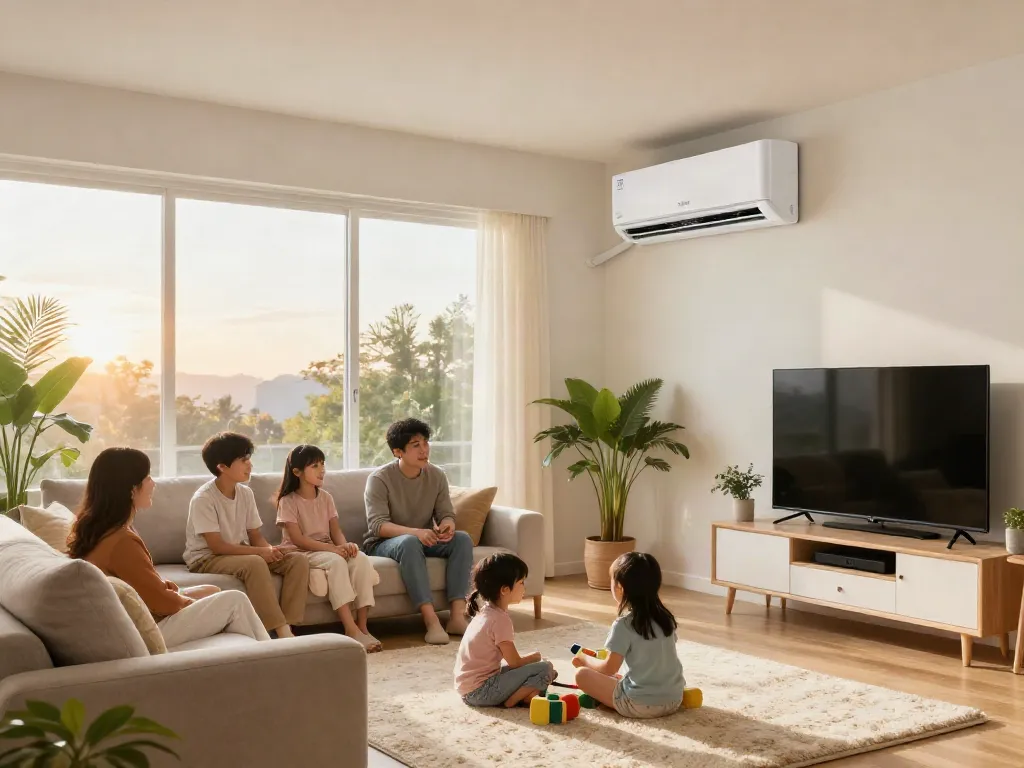
Understanding 18000 BTU Mini Split Systems
For homeowners looking to enhance their indoor climate comfort, an 18000 btu mini split system presents a compelling solution. These systems strike a perfect balance between efficiency and versatility, allowing you to control the temperature of specific zones within your home. With the rise of energy-efficient systems, understanding these units has never been more crucial.
What is an 18000 BTU Mini Split?
An 18000 BTU mini split is a ductless air conditioning system that can both cool and heat spaces of about 900 to 1250 square feet. The term BTU, which stands for British Thermal Unit, measures the cooling or heating capacity of an air conditioning system. Thus, an 18000 BTU rating indicates the unit can effectively manage temperature changes in rooms of the aforementioned size, making it ideal for larger living spaces, family rooms, or even well-insulated garages.
How Does the 18000 BTU Mini Split Work?
Mini split systems comprise two main components: an indoor unit and an outdoor condenser. The indoor unit is responsible for either cooling or heating the air, while the outdoor unit controls the refrigerant flow. When the indoor unit is activated, it draws air from the room, cools it through evaporator coils, and then circulates the cooled air back into the environment. The process works similarly for heating, reversing the refrigerant flow. This design allows for precise temperature control without the need for ductwork, making installations simpler and less invasive than traditional systems.
Key Benefits of Using an 18000 BTU Mini Split
- Energy Efficiency: Mini splits use inverter technology that allows the compressor to operate only at the necessary capacity, reducing energy usage significantly compared to traditional HVAC systems.
- Zoned Heating and Cooling: The ability to control the temperature in different rooms independently can lead to substantial energy savings and improved comfort.
- Reduced Noise: Indoor units typically operate much quieter than traditional systems, ensuring that your home remains peaceful while maintaining comfort.
- Easy Installation: Without ductwork, these systems are easier to install and can often be done as a DIY project, saving you on labor costs.
Choosing the Right Mini Split for Your Space
Selecting the appropriate 18000 BTU mini split for your home requires careful consideration of several factors. Understanding your space is crucial to making the right choice.
Calculating Space Requirements for 18000 BTU Systems
To determine if an 18000 BTU mini split is appropriate for your area, calculate the square footage that needs cooling or heating. Generally, for spaces up to 1250 square feet, an 18000 BTU system is sufficient. Factors like ceiling height, insulation quality, and window exposure can affect this calculation, making it essential to evaluate these elements before making a purchase.
Common Misconceptions about BTU Ratings
One prevalent misconception is that higher BTU ratings directly translate to better performance. While a higher rating indicates a greater capacity, it does not imply suitability for every situation. Over-sizing a unit can lead to inefficiency and inconsistent temperatures. Therefore, selecting a system that precisely matches your cooling and heating needs is crucial for optimal performance.
Factors Influencing Mini Split Performance
- Insulation: Well-insulated spaces retain the desired temperature more effectively, allowing for better performance from your mini split.
- Climate: Areas with extreme temperatures may require more robust systems, while moderate climates may allow for flexibility.
- Placement: The positioning of both indoor and outdoor units can influence airflow and system efficiency.
Installation of the 18000 BTU Mini Split
Proper installation is key to ensuring the longevity and efficiency of your mini split system, whether you opt for a DIY installation or hire a professional.
DIY vs Professional Installation: Which is Better?
Choosing between DIY installation and hiring a professional service depends largely on your skill set and comfort level. DIY installations can save you money but require a thorough understanding of the system and careful planning. Professional installations can ensure that all components are correctly placed and connected, which can be particularly beneficial for those unfamiliar with HVAC systems.
Step-by-Step Installation Guide
- Read the Manual: Always begin by reviewing the manufacturer's manual for specific installation instructions.
- Gather Tools and Materials: Ensure you have all necessary tools, including a drill, level, and refrigerant gauge.
- Install the Indoor Unit: Mount the indoor unit on an exterior wall following the manual's guidelines.
- Set Up the Outdoor Unit: Position the outdoor unit on a stable base, ensuring correct airflow.
- Connect the Refrigerant Lines: Carefully connect the refrigerant lines and ensure all connections are secure.
- Test the System: Once installed, conduct a full test of the system to ensure it's functioning correctly.
Common Installation Mistakes to Avoid
- Ignoring Manufacturer Instructions: Skipping steps can lead to inefficient performance or damage.
- Poor Placement: Not considering airflow can result in hot spots in your home.
- Neglecting Power Requirements: Ensure that your electrical system can handle the new unit's demands.
Maintenance Tips for Your Mini Split System
Regular maintenance is essential for the efficient operation and longevity of your mini split system. Following simple maintenance tips can help ensure a reliable climate control system.
Routine Maintenance Tasks for Longevity
- Clean Filters: Check and clean or replace filters every month to maintain airflow and efficiency.
- Inspect the Coils: Regularly clean the evaporator and condenser coils to avoid system overworking.
- Check Drain Lines: Ensure that drain lines are clear to prevent water leaks and mold growth.
Signs Your Mini Split Needs Repair
Be attentive to unusual sounds or changes in air quality, as these can indicate issues. Common signs include:
- Poor airflow
- Unusual noises or vibrations
- Leaking refrigerant
- Inconsistent temperatures
How to Clean Your Mini Split Unit
Cleaning your mini split unit is a straightforward task. Start by turning off the unit and disconnecting the power. Remove the front cover to access the filter and coils. Use a soft brush or vacuum to clear dust and debris. Clean the filter with mild soap and water, ensuring it dries completely before reinstallation. Regular cleaning can improve the system's efficiency and prolong its lifespan.
Future Trends in Air Conditioning Technology
The HVAC industry is continually evolving, with emerging technologies improving the efficiency and utility of systems like mini splits. Keeping abreast of these trends can help you make informed decisions.
Emerging Innovations in Mini Split Systems
From smart controls with IoT capabilities to advanced inverter technology, mini split systems are becoming increasingly sophisticated. Smart features, such as programmable timers and temperature sensors, allow for enhanced user control and energy savings.
Energy Efficiency Standards and Their Impact
As environmental concerns rise, energy efficiency standards are becoming more stringent. New models are continuously being developed to meet or exceed these standards, making investments in modern HVAC systems both eco-friendly and cost-effective.
Predictions for Home HVAC Systems by 2026
By 2026, we can expect significant advancements in energy efficiency, with all systems adhering to higher SEER ratings. Additionally, the incorporation of artificial intelligence and machine learning is likely to become standard, enabling systems to self-diagnose and optimize settings based on user behaviors.
What are the best settings for my 18000 BTU mini split?
For optimal performance, set your mini split to maintain a temperature of around 72°F (22°C) during summer and 68°F (20°C) in winter. This balance ensures comfort without excessive energy consumption.
How much does it cost to run an 18000 BTU mini split?
Operating costs can vary based on the local electricity rates and the efficiency of the unit. On average, running an 18000 BTU mini split can cost anywhere between $0.20 to $0.30 per hour, depending on usage and environmental conditions.
Can I use an 18000 BTU mini split in multiple rooms?
While the 18000 BTU mini split is designed for larger spaces, it can effectively serve multiple rooms if strategically placed. However, for optimal efficiency, consider multi-zone systems if you plan to accommodate several areas.
What is the lifespan of an 18000 BTU mini split?
With proper maintenance, an 18000 BTU mini split can last between 15 to 20 years. Regular servicing can help identify potential issues before they lead to significant problems, extending the unit's life.
Are 18000 BTU mini splits energy-efficient?
Yes, 18000 BTU mini splits are typically more energy-efficient than traditional HVAC systems, particularly those equipped with inverter technology. They consume less electricity while providing targeted heating or cooling to your living spaces.