
- The Role of Stainless Steel Basin Factories in Modern Manufacturing
- Innovations Driving the Stainless Steel Basin Industry
- Quality Control Standards in Stainless Steel Basin Manufacturing
- The Future of Stainless Steel Basin Factories: Trends and Predictions
- Frequently Asked Questions About Stainless Steel Basins
The Role of Stainless Steel Basin Factories in Modern Manufacturing
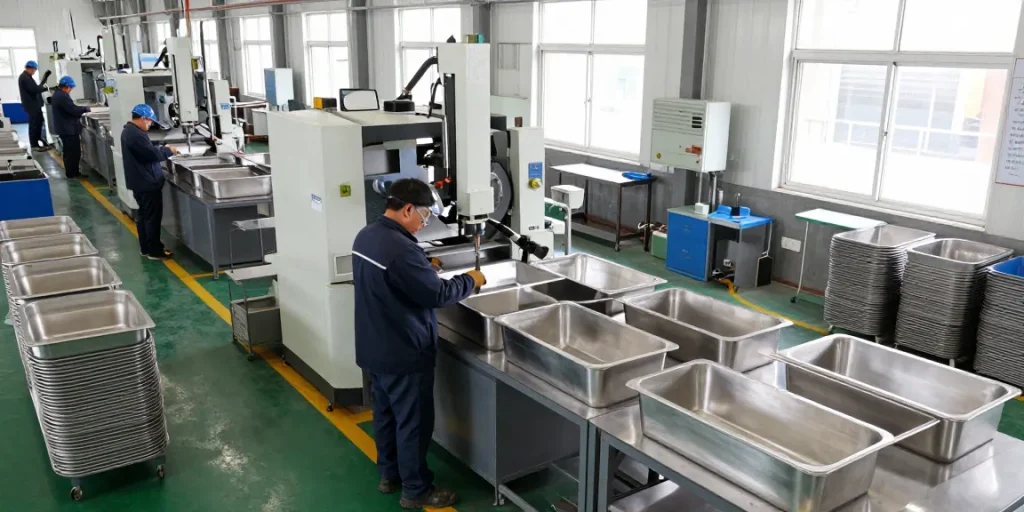
In today’s fast-paced world, the manufacturing of stainless steel basins plays a pivotal role in both residential and commercial applications. Stainless steel, known for its durability and aesthetic appeal, is the preferred material for various types of sinks and basins. This article delves into the significance of stainless steel basin factories, exploring their production methods, challenges, and innovations that define the landscape of modern manufacturing. When exploring options, stainless steel basin factory capabilities serve as a benchmark for quality and reliability in the industry.
Importance of High-Quality Materials in Production
The foundation of any reputable stainless steel basin factory lies in the quality of materials used. Stainless steel is favored for its resistance to corrosion, ease of cleaning, and longevity. For manufacturers, sourcing high-grade stainless steel is crucial. The material’s quality directly affects the basin’s performance and lifespan. Factors such as the steel’s gauge, finish, and alloy composition significantly influence product durability.
In particular, 16-gauge stainless steel is commonly used in commercial applications due to its robustness. Manufacturers often need to balance cost with quality, ensuring that they meet both consumer demands and regulatory standards.
Overview of Manufacturing Processes in the Industry
The production of stainless steel basins typically involves several key stages:
- Cutting: Large sheets of stainless steel are cut into specific dimensions using laser or water jet technology to ensure precision.
- Forming: The cut sheets are then shaped into basins using various techniques, including deep drawing or stamping.
- Welding: Joining different parts of the basin, such as the sink bowl and the countertop, is done through welding, which requires skilled labor and careful handling.
- Finishing: The final stage involves polishing and coating to enhance the aesthetic appeal and protect against tarnishing.
Modern factories increasingly adopt automation in these processes to enhance efficiency and maintain high output levels.
Challenges Faced by Stainless Steel Basin Factories
Despite the advantages of stainless steel, manufacturers face several challenges. Chief among them are fluctuating raw material costs and environmental regulations that affect production processes. Compliance with sustainability practices has become essential, as consumers increasingly prioritize eco-friendly products. Moreover, skilled labor shortages in the manufacturing sector present another hurdle that factories must navigate.
Additionally, with the rise of e-commerce, factories must adapt to consumer demand for customization and rapid delivery times, requiring significant investments in technology and training.
Innovations Driving the Stainless Steel Basin Industry
Innovation is crucial in the stainless steel basin sector, where emerging technologies and sustainable practices are transforming manufacturing norms. As the market evolves, so do the methods employed in production, aiming to meet consumer expectations while enhancing efficiency.
Emerging Technologies in Manufacturing Techniques
Advanced technologies such as robotics and artificial intelligence are making waves in stainless steel basin factories. Robotics can automate repetitive tasks, minimizing human error and enhancing safety. Moreover, AI can optimize production schedules and streamline supply chains, leading to significant cost savings and improved productivity.
3D printing is also being explored for creating prototypes quickly, allowing manufacturers to test designs and reduce time-to-market for new products.
Benefits of Automation in Production Efficiency
The integration of automation in production lines has proven beneficial across various aspects:
- Increased Productivity: Automation allows factories to operate 24/7, significantly increasing output without compromising quality.
- Enhanced Precision: Automated systems reduce variability in product manufacturing, ensuring consistency across batches.
- Cost Reduction: While initial investment may be high, automation leads to lower labor costs and decreased waste.
These advantages position companies that embrace automation ahead of those that do not.
The Role of Sustainability in Stainless Steel Production
As environmental awareness grows, stainless steel basin factories are increasingly focusing on sustainable practices. Utilizing recycled stainless steel not only lowers production costs but also reduces the environmental impact associated with mining and refining new materials. Furthermore, sustainable manufacturing practices can enhance brand reputation and consumer trust.
Many companies are implementing energy-efficient technologies to reduce their carbon footprint, opting for renewable energy sources where possible. Sustainable packaging solutions and waste reduction programs are also becoming standard practices.
Quality Control Standards in Stainless Steel Basin Manufacturing
Quality control is a vital aspect of stainless steel basin production, ensuring that products meet industry standards and exceed consumer expectations. Factories must implement rigorous testing and assessment protocols to maintain their reputation and minimize returns.
Essential Metrics for Quality Assessment
Key metrics for quality assessment include:
- Material Composition: Confirming that the stainless steel meets specified chemical and physical properties.
- Dimensional Accuracy: Ensuring the final product dimensions adhere to precise specifications to guarantee compatibility with installations.
- Finish Quality: Assessing surface treatments for defects, ensuring an aesthetically pleasing and functional product.
Regular audits and inspections play a fundamental role in quality assurance, driving continuous improvement.
Best Practices for Maintaining Production Integrity
Best practices for maintaining production integrity include:
- Implementing a robust training program for staff to ensure proficiency in using advanced machinery.
- Establishing a strong supplier relationship for sourcing high-quality materials.
- Adopting lean manufacturing principles to streamline processes and eliminate waste.
These practices not only uphold quality standards but also contribute to overall operational efficiency.
Case Studies of Leading Manufacturers
Analyzing the best practices of leading manufacturers such as Just Manufacturing and Elkay provides valuable insights into successful operations. Both companies emphasize quality control and sustainability in their business models, showcasing how these factors contribute to their market leadership.
The Future of Stainless Steel Basin Factories: Trends and Predictions
Looking ahead, the landscape of stainless steel basin manufacturing is set to evolve with several emerging trends shaping the industry. Understanding these trends is essential for stakeholders aiming to stay competitive.
Market Growth Projections for 2026 and Beyond
Market analysts predict a continued increase in demand for stainless steel basins, driven by the growth of the construction and home renovation sectors. The global market for stainless steel sinks is expected to reach $6 billion by 2026, with an increased emphasis on quality and design.
This growth can be attributed to urbanization, the rise of modern kitchen designs, and a shift toward sustainability in home appliances.
Consumer Preferences and Demands Shaping the Industry
Today’s consumers are seeking products that blend functionality with aesthetics. Factors such as style, ease of maintenance, and eco-friendliness are becoming increasingly important. Manufacturers will need to adapt their offerings to cater to diverse consumer preferences, including the growing popularity of farmhouse and integrated sink designs.
Customization options are also gaining traction, with many consumers wanting unique designs that reflect their personal style.
Potential Challenges and Opportunities Ahead
While the future looks promising, challenges such as rising raw material costs and international competition may pose risks. However, opportunities abound in leveraging technology for innovation and sustainability. Factories that can pivot and adapt to market changes will likely thrive in this evolving landscape.
Frequently Asked Questions About Stainless Steel Basins
What are the advantages of stainless steel basins?
Stainless steel basins are favored for their durability, resistance to stains and corrosion, and ease of cleaning, making them ideal for both home and commercial use.
How do I choose the best stainless steel basin for my needs?
Consider factors such as the basin’s size, design, gauge thickness, and specific requirements for installation to select the best option for your space.
What are common issues faced in stainless steel basin production?
Common issues include quality control challenges, fluctuating material costs, and maintaining sustainability compliance amid increasing regulations.
How does the manufacturing process impact the quality of basins?
The quality of basins is heavily influenced by each manufacturing step, from material selection to finishing. High precision and attention to detail at every stage are essential for producing a high-quality product.
What trends should we expect in stainless steel basin design in 2026?
Expect to see trends focused on sustainability, innovative designs, and advanced features that enhance usability and maintenance in the coming years.