Mastering Sports Broadcasting: Techniques, Trends, and Future Insights
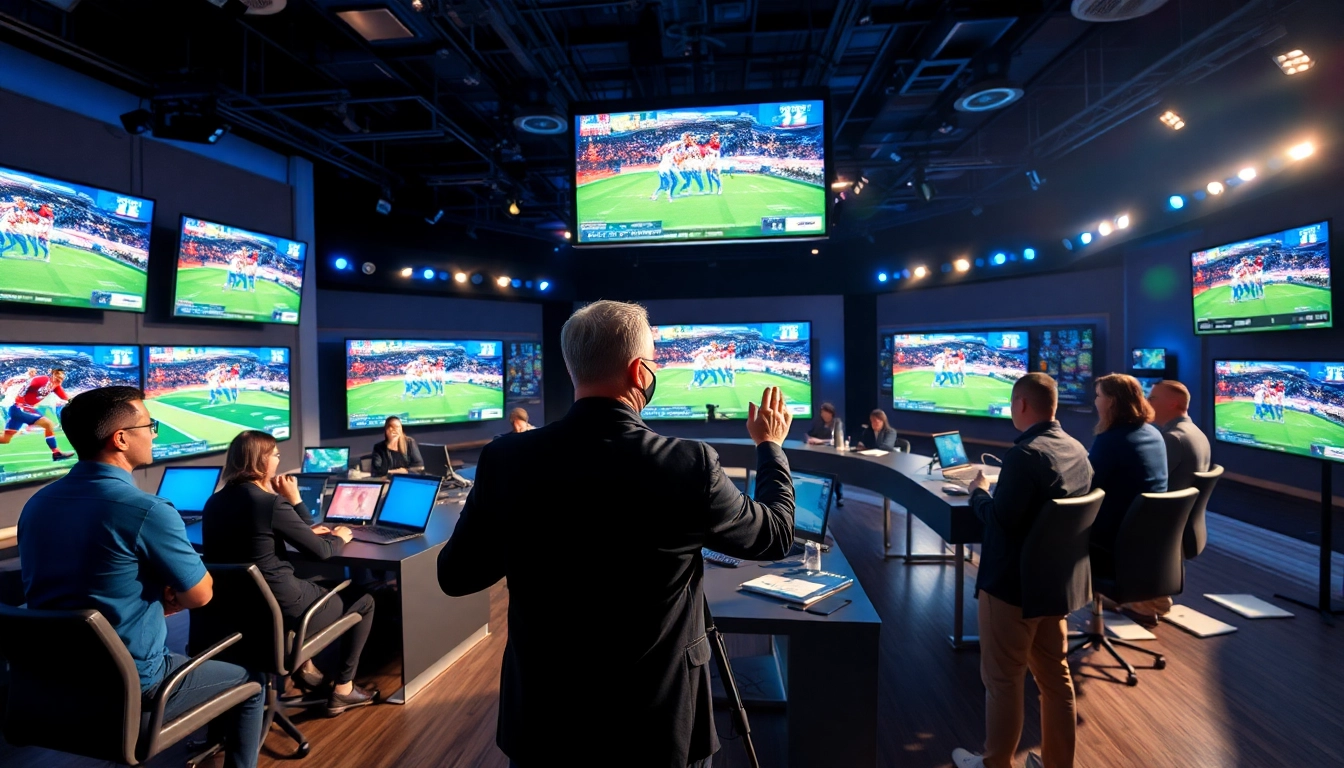
Understanding Sports Broadcasting Essentials
Definition and Importance of Sports Broadcasting
Sports broadcasting refers to the dissemination of sporting events and related content via television, radio, and online platforms. It plays a pivotal role in the sports ecosystem by bridging the gap between athletes, organizers, and fans. This multifaceted industry not only fuels the passion of millions but also greatly influences the economy through advertising revenue and sponsorships. A well-executed sports broadcast has the power to enrich the viewing experience, providing fans with in-depth analysis, interviews, and commentary that can enhance their enjoyment and understanding of the game. For those looking to delve deeper into this dynamic field, resources like Sports Broadcasting offer invaluable insights.
Types of Sports Broadcasting
Sports broadcasting can be categorized into several types based on the medium and nature of content. The primary types include:
- Television Broadcasting: Traditionally the most popular, this includes live coverage, highlights, and analysis on sports networks.
- Radio Broadcasting: Audio coverage of events, often complemented by sports talk shows discussing recent games and upcoming fixtures.
- Online Streaming: Digital platforms enabling viewers to watch live games or on-demand content via subscriptions or free services.
- Social Media Broadcasting: Short clips and live coverage via platforms like Twitter, Facebook, and Instagram, engaging fans in real-time conversations.
Key Components of a Sports Broadcast
A successful sports broadcast relies on numerous elements working harmoniously. Key components include:
- Commentary: Expert voices providing play-by-plays, analysis, and insights that enhance viewer understanding.
- Graphics and Stats: Visuals that display live scores, player stats, and metrics, enriching the viewing experience.
- Production Quality: High-definition video, quality audio, and smooth transitions that maintain viewer engagement.
- Interviews: Engaging content that features athletes, coaches, and analysts, providing a well-rounded perspective on events.
Technology in Sports Broadcasting
Role of HD and 4K Technology
The evolution from standard definition to HD and now 4K technology has revolutionized sports broadcasting. Viewers experience sharper images and more vibrant colors, making them feel as if they are part of the live event. This technological advancement also enhances various aspects of the production, such as the detail in player movements and the clarity of the game environment.
Impact of Streaming Services
Streaming services have emerged as game-changers in sports broadcasting, offering fans flexibility and accessibility. Platforms like Netflix, Amazon Prime, and specialized sports networks allow fans to enjoy live events on various devices. This shift caters to the on-demand culture, where viewers demand content at their convenience. Furthermore, these platforms often feature additional perks such as multi-camera angles and personalized viewing experiences.
New Innovations in Broadcasting Tools
Emerging innovations are continually reshaping sports broadcasting. Technologies like augmented reality (AR) and virtual reality (VR) are enhancing viewer engagement by immersing them in the sports ecosystem. Innovations also include advanced analytics tools that provide real-time data during broadcasts, enabling a deeper understanding of game strategies and player performance. These advancements not only reinforce viewer interest but also attract a younger audience more comfortable with digital media.
Building a Career in Sports Broadcasting
Essential Skills for Aspiring Broadcasters
For those aiming to enter sports broadcasting, a diverse skill set is crucial. These include:
- Communication: Ability to convey information clearly and engagingly is paramount.
- Research: An in-depth understanding of sports, players, and statistics enhances credibility.
- Technical Proficiency: Familiarity with broadcasting equipment and software is essential for effective production.
- Interpersonal Skills: Networking and collaboration with various stakeholders in the industry enrich one’s career.
Educational Pathways
A degree in communications, journalism, or sports management is often beneficial for aspiring broadcasters. Programs that offer hands-on experience with broadcasting equipment, internships, and real-world projects can provide a competitive edge. Specialized courses focusing on sports media and broadcasting also equip students with the specific skills necessary for success in this field.
Networking and Industry Connections
Building a strong professional network is crucial to advancing in sports broadcasting. Aspiring broadcasters should attend industry conferences, join professional organizations, and engage in internships to meet key players in the field. Establishing relationships with mentors and peers can lead to invaluable opportunities and insights that may not be easily accessible otherwise.
Analyzing Audience Engagement in Sports Broadcasting
Effective Communication Strategies
Effective communication is vital for engaging audiences during sports broadcasts. Tailoring messages to specific demographics, utilizing humor, and maintaining a dynamic delivery can significantly enhance viewer retention. Engaging storytelling techniques that draw viewers in and create emotional connections with the content are also effective strategies.
Utilizing Social Media for Audience Growth
Social media plays a crucial role in promoting sports broadcasts and engaging audiences. Real-time interaction during games, fan polls, and post-event discussions can create a sense of community among viewers. Leveraging platforms like Twitter and Instagram allows broadcasters to build their brand and connect with fans, fostering loyalty and increasing viewership.
Measuring Audience Feedback
Collecting and analyzing audience feedback is essential for continuous improvement in sports broadcasting. Tools such as surveys, social media analytics, and viewership statistics help broadcasters gauge audience satisfaction and preferences. Understanding feedback allows for the adjustment of strategies, ensuring that the broadcast meets the needs and expectations of its audience.
The Future of Sports Broadcasting
Emerging Trends to Watch
As technology continues to evolve, several trends are poised to shape the future of sports broadcasting. The rise of eSports is transforming the landscape, attracting a massive audience and creating new avenues for viewership. Additionally, advancements in AI-driven analysis and personalized content delivery are expected to enhance the viewer experience, making broadcasts more engaging and tailored to individual preferences.
Challenges Facing the Industry
Despite its growth, the sports broadcasting industry faces challenges, such as the need to adapt to rapidly changing viewer habits and technological advancements. The competition among platforms for exclusive content rights can escalate costs, influencing profitability. Moreover, balancing quality with the demand for fast-paced content can strain resources and creativity.
Sustainable Practices in Broadcasting
Sustainability is becoming increasingly vital in sports broadcasting, with an emphasis on eco-friendly practices. Broadcasters are adopting measures like reducing waste during production, utilizing energy-efficient technologies, and promoting sustainable sporting events. These practices not only align with societal values but also resonate with a growing audience that prioritizes environmental consciousness.
Frequently Asked Questions
1. What is sports broadcasting?
Sports broadcasting involves distributing sports events and related content through television, radio, and online platforms, engaging fans worldwide.
2. What skills are necessary for a career in sports broadcasting?
Key skills include effective communication, thorough research, technical proficiency, and strong interpersonal skills for networking.
3. How has technology impacted sports broadcasting?
Technological advancements, including HD and 4K, streaming services, and innovative tools like AR and VR, have transformed viewer experiences and engagement.
4. Why is audience feedback important in sports broadcasting?
Audience feedback allows broadcasters to understand viewer preferences, gauge satisfaction, and adjust content strategies to meet audience expectations.
5. What trends are shaping the future of sports broadcasting?
Key trends include the rise of eSports, AI-driven analysis, personalized content delivery, and a focus on sustainable broadcasting practices.
